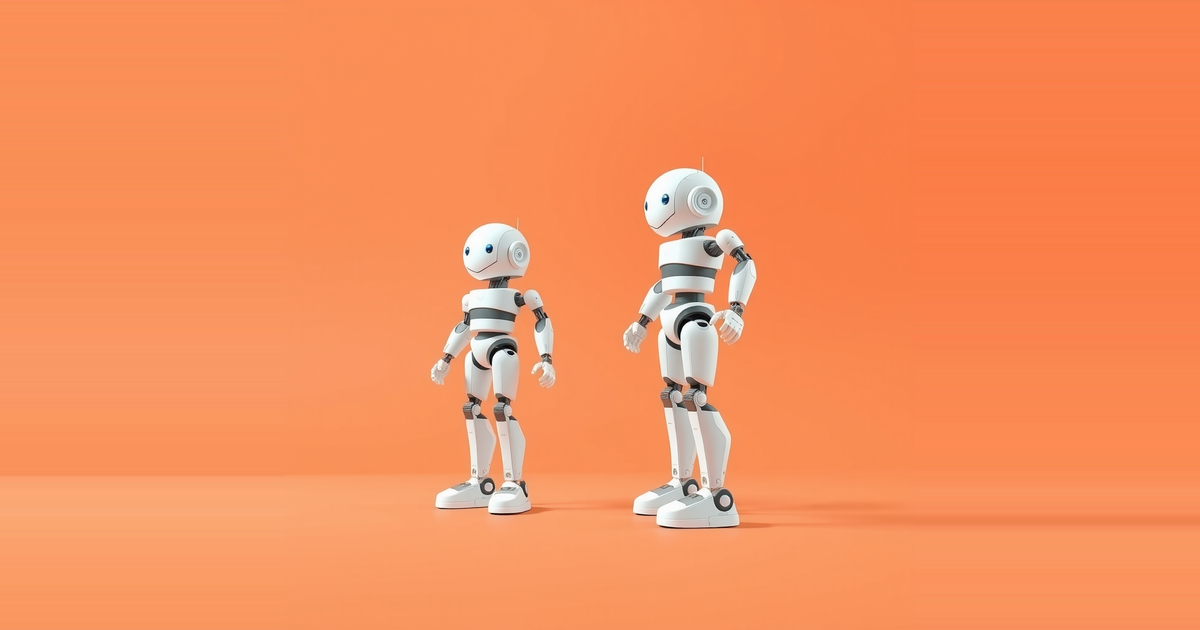
GeoHBots, CAU Mountain&Sea and Hamburg Bit-Bots each ended the first day of the RoboCup 2026 humanoid league with the full six points from two games in the small division. In the middle division, B-Human, RoboRoos and HTWK Robots did the same. The tournament is under way in Incheon, South Korea, and the league competitions run until 5 July.
Day one results
The small and middle divisions each played two games on the opening day. Those three teams in each division won both of theirs, which puts them at the top of the early standings with maximum points.
The large division had not finished its second round when play ended for the day. Teams there were part way through that round, so the standings in the largest division were still incomplete. No leaders were named for it at the close of play.
The day also included the opening ceremony. Organisers have said they will publish daily updates on results, video and news from the humanoid soccer competition, along with highlights and a look at how the event is progressing.
How the seeding round works
The first two days of competition are given over to the seeding round. Teams are ranked using the Swiss system, and that ranking decides who goes through to the knockout stages.
In a Swiss-system format, teams are not eliminated after a loss and do not play a fixed set of opponents. They keep playing rounds, and the standings that build up over those rounds determine the order. That means the six-point starts for the six leading teams are early positions rather than guarantees of anything. The number of rounds each division will play, and how many teams advance to the knockouts, are not given.
Livestreams from the different fields of play are available, and the humanoid league maintains a YouTube channel and a results page where the standings can be followed.
Three divisions, 56 teams
This year the humanoid league is split into three sizes: a large division, a middle division and a small division. The large division is the biggest, with 22 teams. The small division has 18 teams and the middle division has 16. Together that is 56 teams across the humanoid league.
The split follows changes to the leagues and the competition format for 2026. The most prominent change is that the soccer leagues now have a primary focus on humanoid robots. The humanoid league therefore carries more of the tournament's soccer programme than it has in the past.
What the early table does and does not show
The day-one result is limited by its size. Two games per team is a small sample, and the large division had not completed even that much. The three-way tie at the top of both the small and middle divisions shows how little separation exists after two rounds. Swiss pairing will push the unbeaten teams towards one another in later rounds, so the leading groups should thin out quickly once they meet.
The names at the top are worth watching rather than reading too much into. Hamburg Bit-Bots, B-Human and HTWK Robots are among the teams that have reached the top of their divisions on day one. Those results say who started well. They do not say who will be strongest when the knockout stages begin, because the seeding round exists to sort the field and not to decide the winner.
The restructuring is the larger story for the field. Putting humanoid robots at the centre of RoboCup soccer, and fielding 56 teams across three size classes, makes the humanoid league the main stage for the tournament's soccer competition. Splitting teams by size also means robots of similar scale compete against one another, which should make results easier to compare within each division. The divisions' exact size boundaries are not spelled out here, so that comparison cannot yet be checked.
What remains unproven is how the new format performs over a full tournament. The Swiss seeding round has to produce a ranking that sends the right teams into the knockouts, and that depends on the number of rounds relative to the number of teams. The large division, with 22 teams, is the one where that question is sharpest, since it has the most teams to sort and was the furthest behind on day one. The remaining days of the RoboCup 2026 humanoid league will show whether the format separates strong teams from weak ones cleanly, and whether early leaders hold their positions once the pairings get harder.