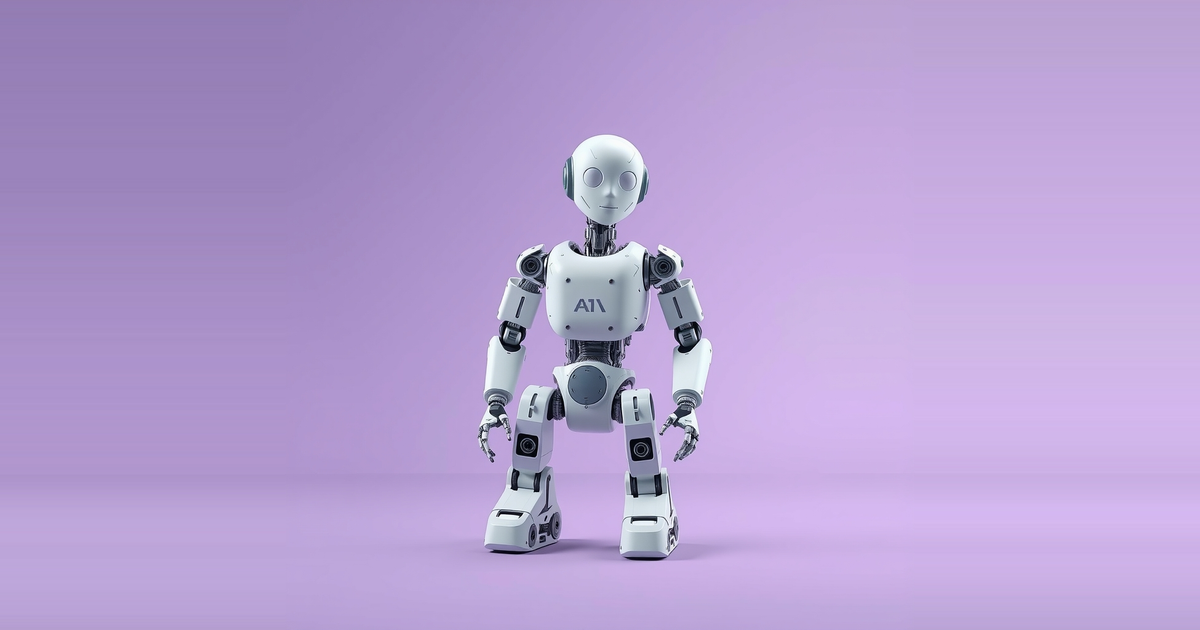
As robots increasingly rely on AI to perceive, decide and act in the physical world, a new IEEE Spectrum piece argues that the way the industry thinks about robot safety needs to change. Traditional safety engineering focuses on predictable machines working inside fenced-off, tightly defined environments. AI-driven robots are different. They learn, adapt and often connect to networks, cloud services and third-party software, which widens the range of things that can go wrong.
The article, which appears to draw on perspectives from automotive and embedded-systems security firm VicOne, frames cybersecurity and physical safety as closely linked concerns. A compromised or manipulated AI system in a robot is not only a data risk. It can become a risk to people and property nearby. That makes security a core part of safety design, not an add-on for later.
This is a familiar lesson from connected vehicles, where software updates, sensors and onboard AI have pushed manufacturers to treat cyber resilience as a safety requirement. As humanoids, mobile manipulators and other general-purpose machines move into warehouses, factories and public spaces, similar thinking is likely to spread across robotics. For builders and operators, the takeaway is to consider threats and safety together from the start of the design process.